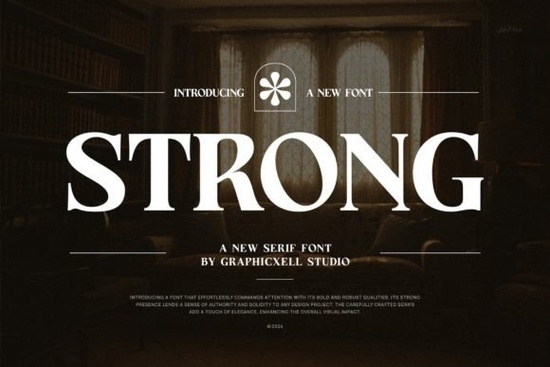
If you’ve been searching for a serif font that balances elegance with modern practicality, Strong Font might be exactly what your next project needs. It’s not flashy or overly decorative instead, it offers clean lines, graceful curves, and just enough personality to stand out without overwhelming your design. Whether you’re working on branding, packaging, invitations, or social media graphics, this font adapts well across formats while keeping readability high.
What makes it especially useful for crafters and small business owners is its PUA encoding. That means all the special characters, ligatures, and alternate glyphs are accessible right from your design software no extra plugins or font managers needed. You can easily switch between stylistic sets to match the tone of your project, whether it’s formal wedding stationery or playful product labels.
What kinds of projects work best with Strong Font?
This typeface shines in situations where you want something refined but not stiff. Here are some real-world uses we’ve seen designers love:
- Branding & logos Its balanced weight and open letterforms make it legible even at small sizes.
- Wedding designs Pair it with script fonts like Richmond Grovelyn for contrast in invitation suites.
- Social media posts Clean enough for quote graphics, yet distinctive enough to catch attention in feeds.
- Product packaging Especially effective on artisan goods, skincare, or boutique food items.
- Stationery & labels Works beautifully for both digital and print, including foil stamping or embossing.
One user shared how they used it for their handmade soap line pairing Strong Font with minimalist illustrations gave their brand a premium, curated feel without needing expensive photoshoots.
How does it compare to other serif fonts on Creative Fabrica?
It’s helpful to think of Surfside Paradise as more relaxed and beachy, while Sharp History leans vintage with sharper serifs. If you’re after something softer and more romantic, Milk and Honey has a handwritten warmth. Strong Font sits comfortably in the middle structured enough for professional use, but with enough character to avoid feeling corporate.
For layered typography, try combining it with sans-serifs that have similar x-heights. Or go bold by mixing it with display fonts that have heavier contrast the key is letting one font lead while the other supports.
Why PUA encoding matters (and why you should care)
PUA stands for “Private Use Area,” and it’s basically a section of Unicode reserved for custom glyphs. In practice, this means when you install Strong Font, you’ll see all the swashes, alternates, and ligatures show up naturally in programs like Adobe Illustrator, Canva, or Affinity Designer no hunting through hidden menus or downloading extra files.
This is especially valuable if you’re designing for clients or selling templates. You won’t have to explain why certain letters look different everything’s built in and ready to use.
Can I use this for commercial projects?
Yes. Like most fonts on Creative Fabrica, Strong Font comes with a commercial license when you subscribe or purchase it outright. That means you can use it on products you sell t-shirts, mugs, digital downloads, Etsy listings without paying extra fees or crediting the designer (though it’s always nice to mention them!).
Just remember: you can’t redistribute the font file itself or claim you made it. But using it in your own original designs? Totally fine.
Any tips for getting the most out of this font?
- Test readability at small sizes Even elegant fonts can become muddy if scaled down too far. Print a sample or zoom out on screen to check.
- Use OpenType features Most design apps let you toggle stylistic sets. Try enabling “Contextual Alternates” for smoother letter connections.
- Pair with simple imagery Let the font do the talking. Busy backgrounds or complex patterns can compete with its clean lines.
- Adjust tracking slightly A tiny bit of letter-spacing (maybe 10–20 units) can help it breathe in headlines or logos.
If you’re still exploring options, don’t overlook this page it includes previews, licensing details, and sometimes even bonus files like SVG versions or matching icons.
Quick checklist before you start:
- Download and install the font (OTF or TTF whichever your software prefers).
- Open your design tool and check that OpenType features are enabled.
- Sketch out a few layout ideas headlines, body text, logo mockups to see how it behaves.
- Save a style guide snippet with your favorite glyph combinations for reuse.
Fonts like this don’t need hype. They just need to work reliably, beautifully, across projects. And Strong Font does exactly that.
Get Started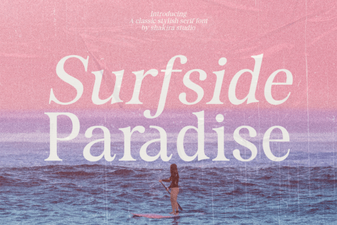 Surfside Paradise Font for Web Design Projects
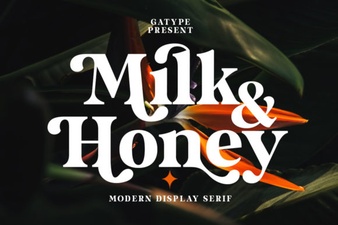 Milk and Honey Font: a Creative Script for Designers
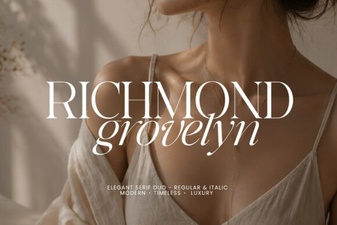 Richmond Grovelyn: Typography Projects & Ideas
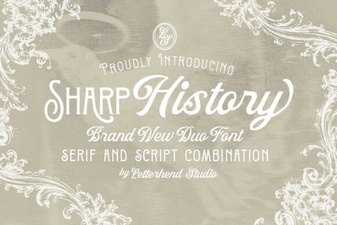 Sharp History Font: Designs & Project Ideas
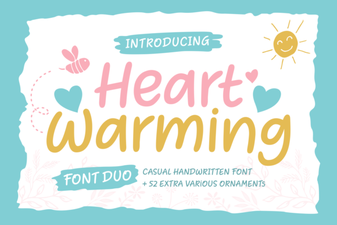 Heartwarming Fonts to Elevate Your Designs
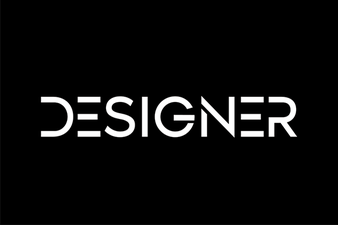 Designer Font Inspiration for Your Creative Projects